
Fast, reliable garage door and electric gate repair and installation in South Florida — call today, fixed today.
What’s Covered on This Page
- Signs Your Garage Door Spring Is Broken
- Why Broken Springs Are a Safety Risk You Should Not Ignore
- What Happens During a Spring Replacement Visit
- Checking Door Balance and Opener Load After Replacement
- Extending the Life of New Garage Door Springs
- How quickly can you replace a broken garage door spring in Hallandale Beach?
- Is it safe to use my garage door if the spring is broken?
- Does the salt air in Hallandale Beach cause garage door springs to break faster?
- Should I replace one spring or both springs at the same time?
- What should I expect when the technician arrives at my home?
- Can a broken garage door spring damage other parts of my door system?
Need broken garage door spring replacement?
Call now for a free estimate. Call On Time Garage Door Repair now.
Signs Your Garage Door Spring Is Broken
You’re running late, you hit the opener button, and nothing happens. Or maybe the door lifts about six inches then slams back down. That’s the moment most Hallandale Beach homeowners call us.
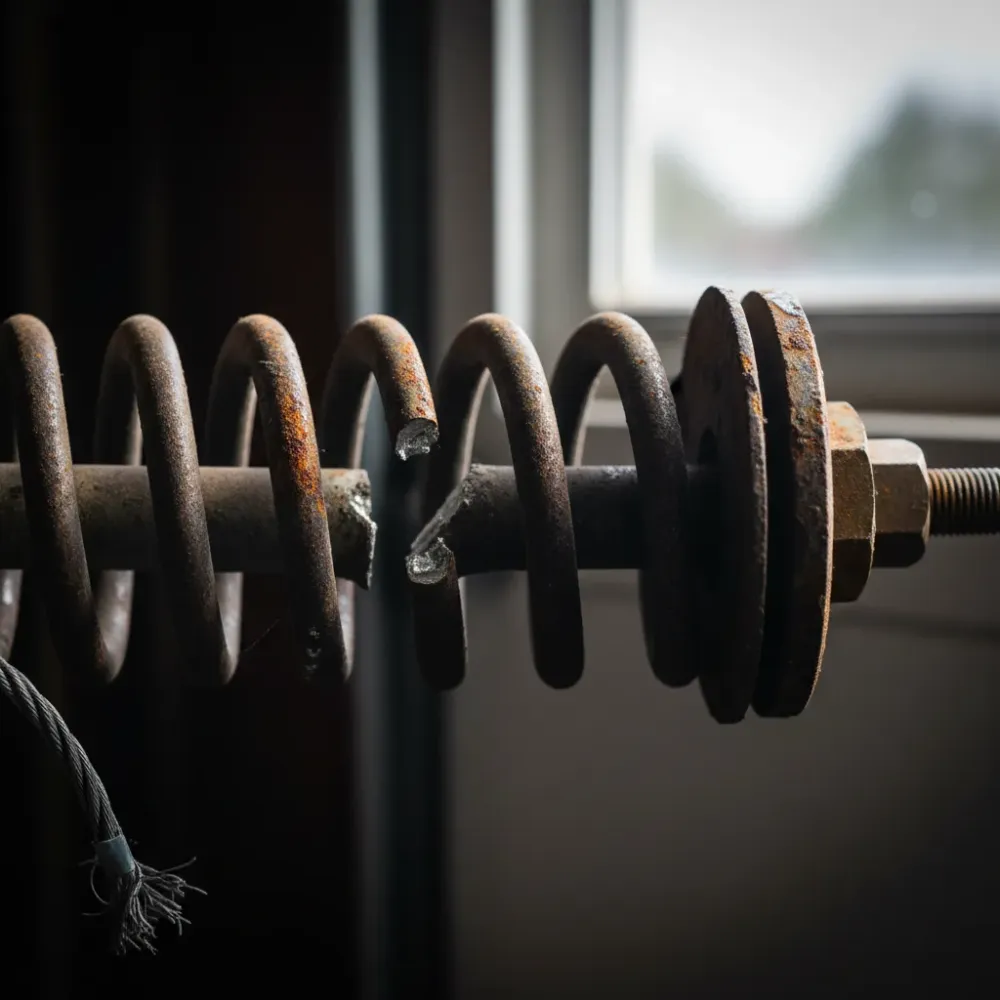
A broken spring doesn’t always show up the same way. But we see a handful of signs over and over again. Nine times out of ten, it’s the same story.
- A loud bang from the garage. You might hear it from inside the house. It sounds like a firecracker or something heavy falling. That means the spring just snapped under tension.
- The door won’t open at all. Your opener motor runs, the chain moves, but the door barely budges. Remember, the spring does the heavy lifting, not the opener itself.
- A visible gap in the spring. Look at the horizontal bar above your door. If you see a spring with a clear separation or gap in the coils, it’s definitely snapped.
- The door feels extremely heavy. Try lifting it manually. A working spring makes a 150-pound door feel like 10 pounds. Without that support, you’ll struggle to get the door knee-high.
- The top of the door bends outward. This happens when the opener tries to force a door up. There’s no spring support. We see bent top panels all the time in older homes near Golden Isles, especially where springs are really old.
Here’s another sign people often miss. The door closes fine but opens crooked, tilting to one side. That usually means one spring broke, while the other is still working. This situation puts a lot of stress on your cables, your tracks, and your opener all at once. It’s like trying to lift something with only one arm when you need both.
Sometimes there’s no drama at all. You just notice the door is slower than usual, or it reverses halfway up. Your opener’s safety system detects too much resistance. It stops. That’s actually your opener protecting itself from further damage, which is a good thing.
Most people wait too long on a broken spring. They might prop the door open with a ladder or disconnect the opener to lift it manually. We get it, it’s inconvenient. But every day you run it like that, you’re risking damage to other parts of your system. Replacing the spring now saves you from a bigger repair bill later. If any of this sounds familiar, don’t try to force the door. Just leave it where it is and give us a call. It’s the safest thing you can do for your family and your garage door system.
Why Broken Springs Are a Safety Risk You Should Not Ignore
A garage door is the heaviest moving part of your home. Most people don’t think about that until something goes wrong. We see the consequences too often here in Hallandale Beach.
Your springs carry the full weight of that door. We’re talking 150 to 250 pounds on a standard two-car door in this area. When a spring snaps, nothing holds that weight in check. The door can slam shut without warning. It can drop on a car, a bike, a pet, or a person standing underneath it. We’ve seen it happen in homes near Golden Isles. A family had their door crash down while kids were playing in the driveway. That’s the kind of call that stays with you, and it’s entirely preventable.
It’s not just the door falling either. A broken torsion spring unwinds with serious force. The metal can whip around and dent walls, crack windows, or cause injury if someone’s standing nearby. The U.S. Consumer Product Safety Commission reports thousands of garage door injuries every year. Most of those are preventable if people understand the risks and act quickly.
Here’s what makes broken springs so dangerous compared to other garage door problems:
- The door becomes unbalanced and can free-fall from any height, sometimes at unexpected speeds.
- Your opener strains to lift dead weight, burning out the motor or other electrical components.
- Cables can snap under uneven tension, creating another flying hazard if they break unexpectedly.
- Manual operation becomes unpredictable and incredibly hard to control, making injury very likely.
We get calls about this every week. Someone hears a loud bang in the garage, walks out, and finds the door stuck halfway open. Or worse, they try to force it closed by hand. Please don’t do that. A door with a broken spring is not something you can just muscle through. It requires professional attention because of the stored energy involved.
What really concerns us is this: Some folks in Hallandale Beach will prop the door open with a two-by-four or disconnect the opener and just live with it for weeks. Every day that door sits with a broken spring, something could go wrong. The cables fray faster. The tracks take uneven stress. What started as one broken spring quickly turns into a much bigger and more expensive repair. The salt air and humidity common here in South Florida only accelerate this damage, causing rust and weakening components even faster.
This isn’t about being dramatic. It’s about knowing what that spring actually does. You need to respect the forces involved. If your spring broke, stop using the door and call a licensed technician. That’s the safest move you can make right now. Delaying could mean more than just an inconvenient repair.
What Happens During a Spring Replacement Visit
Most people have never watched a spring replacement up close. That’s fine. Here’s what actually happens when our team shows up at your door in Hallandale Beach. We aim for transparency from start to finish.

We don’t just walk in and start wrenching. The first thing we do is talk to you. We want to know what happened, what you heard, and when the door stopped working. That conversation tells us a lot before we even touch the door. It helps us understand the full context of the problem.
After that, here’s the typical process we follow:
- We secure the door so it can’t move. We clamp the track or lock the door in place. Safety comes first, every time, especially with something as heavy as a garage door.
- We release the remaining tension on the old spring using proper winding bars. This is a critical safety step. We never use screwdrivers or rebar. We see attempts gone wrong more than you’d think, which is why specialized tools are so important.
- We remove the old spring. Then we inspect the shaft, bearings, cable drums, and cables for any additional wear or damage that might have been caused by the broken spring.
- We install the new spring, ensuring it’s the correct size and strength for your specific door weight. We wind it to the correct tension. Then we lubricate all moving parts, including hinges and rollers, to smooth operation from day one.
- We test the door manually first. This allows us to feel the balance and make initial adjustments. Then we reconnect the opener and run it through several full cycles to check performance under power.
- We check the balance thoroughly. A properly balanced door stays put when you lift it halfway and let go. This confirms the new spring is doing its job correctly.
The whole visit usually takes about an hour for a single spring replacement. If both springs need replacing, we handle that too. It’s often recommended to replace both springs at once if they were installed at the same time, as the other is likely to break soon after the first.
One thing we always do that some crews skip: We inspect your cables and rollers while we’re there. Over near Golden Isles, we had a job last month where the spring was the obvious problem. But the cables were frayed down to just a few strands, a clear sign of impending failure. Replacing the spring alone would’ve caused another problem within weeks. We caught it. The homeowner approved the cable repair, and now the whole system runs smooth and safe. This check is part of our commitment to keeping your entire door system reliable, especially with the high humidity in Hallandale Beach accelerating wear.
And we always clean up. No leftover hardware on your garage floor, no grease on the walls. We leave your garage exactly as we found it, except with a working door.
You don’t need to prepare anything special for our visit. Just make sure we can access the garage. Please keep kids and pets clear of the work area while we’re there. We’ll handle the rest, from start to a safe, functional finish.
Need help with broken garage door spring replacement?
Call now for a free estimate. On Time Garage Door Repair is ready to help.
Checking Door Balance and Opener Load After Replacement
A new spring doesn’t mean the job’s done. Not even close. That’s a mistake we see made all too often, and it leads to more problems down the line for homeowners in Hallandale Beach.
After every spring replacement, we run a full balance check on the door. This is the step most people don’t know about, but it’s the one that matters most for how your door performs over the next several years. We see it all the time in Hallandale Beach: A company swaps the spring, hits the button once, watches the door go up and down, and leaves. That’s not a finished job, and it’s a recipe for premature wear on your system.
Here’s what a real balance test looks like when we perform it:
- We disconnect the opener so the door moves by hand only. This isolates the door’s movement from any mechanical assistance.
- We lift the door halfway and let go. It should stay put on its own, without drifting up or down.
- If it drifts up, the spring tension is too high. If it drops, the tension is too low. Both scenarios are problematic for your door’s longevity.
- We adjust the spring tension carefully until the door holds steady at the midpoint with no drift. This ensures perfect balance.
- Once balanced, we reconnect the opener and test full travel in both directions, observing for smooth, consistent movement.
Why does this matter to you? A door that’s out of balance puts extra strain on your opener motor. Over time, that burns out the gear assembly or the logic board. Then you’re looking at a garage door opener repair on top of what you already paid for the spring. We’ve pulled into driveways near Golden Isles where the homeowner replaced a spring six months ago, and now the opener is grinding. Nine times out of ten, nobody checked the balance after the last repair. It’s a common oversight that costs homeowners more in the long run.
This isn’t just about the opener. An unbalanced door wears cables unevenly, putting unnecessary stress on the tracks. It can even warp panels over time, especially with the older doors common in Hallandale Beach’s aging housing stock. One bad spring job can create a chain reaction of failures throughout your entire system.
We also check the force settings on your opener unit during this step. The open and close force limits need to match the door’s actual weight after the new spring is installed. If those settings are off, your door might reverse for no reason, or it won’t seal against the floor properly. As licensed technicians, we treat this calibration as a fundamental part of every spring replacement, not an add-on. It’s part of our commitment to professional and complete service.
So, when you hear someone say “the spring is fixed,” ask if they balanced the door. That one question tells you a lot about who you’re working with and the quality of their service.
Extending the Life of New Garage Door Springs
So you’ve got fresh springs on your garage door. Now what? Most people forget about them the second they’re installed. That’s a mistake, especially in our South Florida climate.
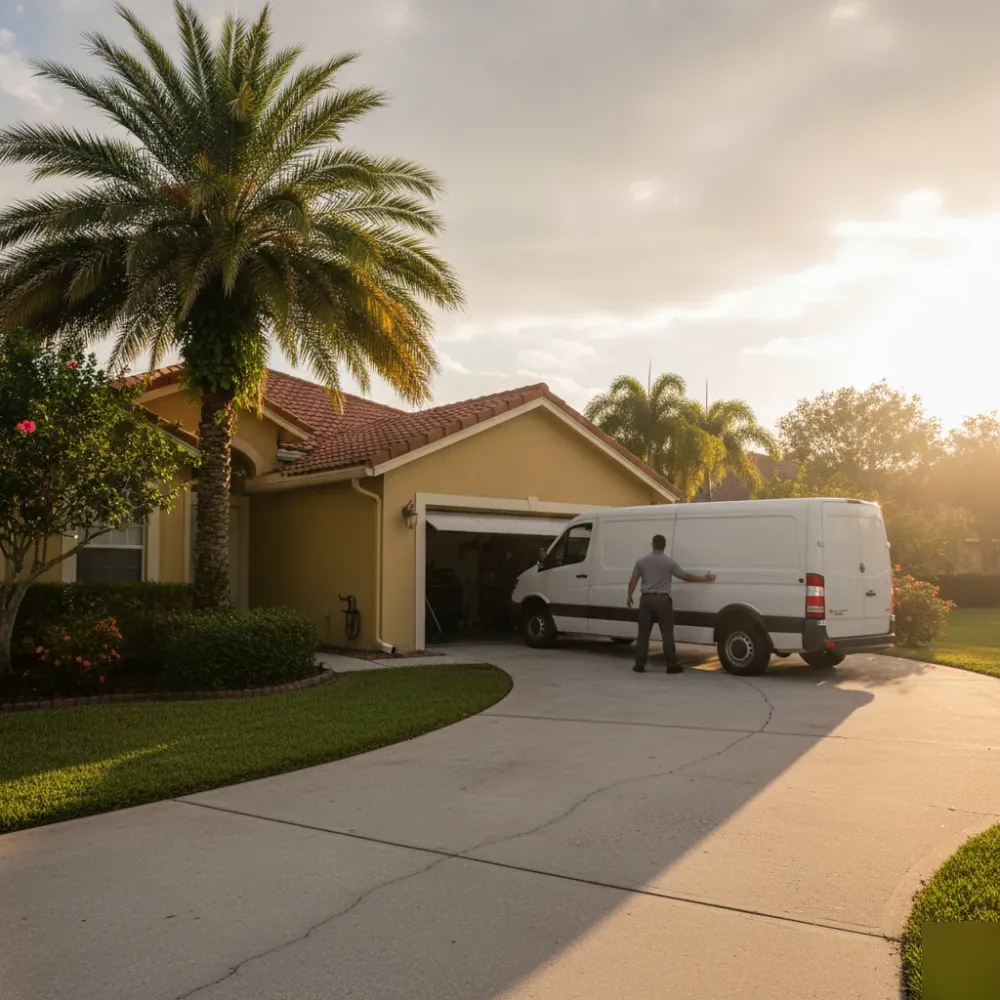
New springs don’t just wear out from age. They wear out from neglect. The salt air here in Hallandale Beach speeds up corrosion on metal parts faster than most people realize. The International Door Association says regular lubrication alone can add years to a spring’s usable life. A few minutes of maintenance every couple of months makes a real difference in preventing early failure due to rust and friction.
Here’s what we tell every customer after a spring replacement to help them get the most out of their new springs:
- Lubricate the springs every 3-4 months. Use a silicone-based spray, not WD-40, which can attract dirt. Coat the coils evenly, covering the entire spring. This cuts down on friction and helps fight rust from the coastal humidity.
- Listen for changes. A healthy spring is quiet during operation. Squeaking, grinding, or any unusual noises mean something’s off and should be investigated.
- Watch the door’s balance. Periodically, pull the emergency release handle and lift the door halfway. If it stays put, the springs are fine. If it drops or shoots up, call us for an adjustment.
- Keep the tracks clean. Dirt, dust, and debris in the tracks make the door work harder. This extra effort puts additional, unnecessary stress on the springs, shortening their lifespan.
We get calls from folks over near Golden Isles who had springs replaced just two years ago. Nine times out of ten, they never touched a can of lubricant. The coastal humidity and salt air did the rest, causing premature wear and another broken spring. Simple preventative steps can save you another repair call.
Something else people don’t think about: Your garage door opener matters too. A struggling opener forces the springs to compensate. This shortens their cycle life faster than normal use would. If your opener sounds strained, struggles to lift the door, or the door moves unevenly, that’s worth checking out. We offer garage door inspection and diagnostics for exactly this kind of thing, identifying potential problems before they become costly breakdowns.
You can’t make springs last forever. But you can get the most out of them. A little attention goes a long way in Hallandale Beach, where the weather works against every metal part on your home. Keep up with basic care and you won’t be dealing with another broken spring anytime soon. It’s about being proactive to protect your investment.
Frequently Asked Questions
Common questions about broken garage door spring replacement services in 301 NE 3rd St. unit 206 33009 Hallandale Beach
How quickly can you replace a broken garage door spring in Hallandale Beach?
Most broken spring replacements in Hallandale Beach are completed the same day you call. We carry common spring sizes on our trucks, so we rarely need to order parts. The job itself usually takes about an hour once we arrive. If your door is stuck shut or open, we treat that as urgent. Getting your garage door working again is the priority, and we move fast to make that happen for you.
Is it safe to use my garage door if the spring is broken?
No, you should stop using your garage door the moment you suspect a broken spring. A door without spring support can weigh 150 to 250 pounds and drop without warning. Your opener motor can also burn out trying to lift that dead weight. Do not try to force the door open or prop it up manually. Leave it where it is and call a licensed technician. That is the safest choice for your family.
Does the salt air in Hallandale Beach cause garage door springs to break faster?
Yes, it does. The salt air and humidity in Hallandale Beach speed up rust and corrosion on metal components, including your springs. Springs in coastal South Florida often wear out faster than springs in drier climates. That is why we always check your cables and hardware during a spring replacement visit. Catching early rust or fraying can help you avoid a second repair just a few months down the road.
Should I replace one spring or both springs at the same time?
We recommend replacing both springs at the same time, even if only one broke. Both springs are the same age and have the same amount of wear. If one snapped, the other is not far behind. Replacing both now saves you from paying for a second service call in a few months. It also keeps your door balanced, which protects your opener, cables, and tracks from extra stress.
What should I expect when the technician arrives at my home?
When we arrive, we start by talking with you about what happened and what you noticed. Then we inspect the full door system before touching anything. We secure the door so it cannot move during the repair. After replacing the spring, we test the balance, adjust the tension, and run the opener through several cycles. Before we leave, we make sure everything works smoothly and safely. You will see exactly what we did and why.
Can a broken garage door spring damage other parts of my door system?
Yes, and it happens faster than most people expect. When a spring breaks, your cables take on uneven tension and can fray or snap. Your opener motor strains to lift a door it was never designed to move alone. Tracks can bend from the added stress. The longer you wait, the more parts are at risk. Fixing the spring right away is the best way to protect the rest of your garage door system.
Ready to Get Started?
Call now for a free estimate Call (954) 329-1361 today.

Recent Comments