
Fast, reliable garage door and electric gate repair and installation in South Florida — call today, fixed today.
What’s Covered on This Page
- Warning Signs Your Garage Door Cables Need Attention
- Repair vs. Replace: Choosing the Right Fix for Your Cables
- Checking That the Repair Was Done Right
- Keeping Cables in Good Shape in Coastal Conditions
- How quickly can you get to my home in Hallandale Beach for a cable repair?
- Can salt air near the water really damage my garage door cables faster?
- Is it safe to use my garage door if I think a cable is damaged?
- Why do you replace both cables even when only one is broken?
- What does your technician check after replacing garage door cables?
- Can a cable problem be mistaken for a spring or track issue?
Need garage door cables repair / replace?
Call now for a free estimate. Call On Time Garage Door Repair now.
Warning Signs Your Garage Door Cables Need Attention
You’re backing out of the driveway one morning. The door looks crooked. One side’s hanging lower than the other. This is a common call we get from homeowners in Hallandale Beach, and it usually means a cable problem.
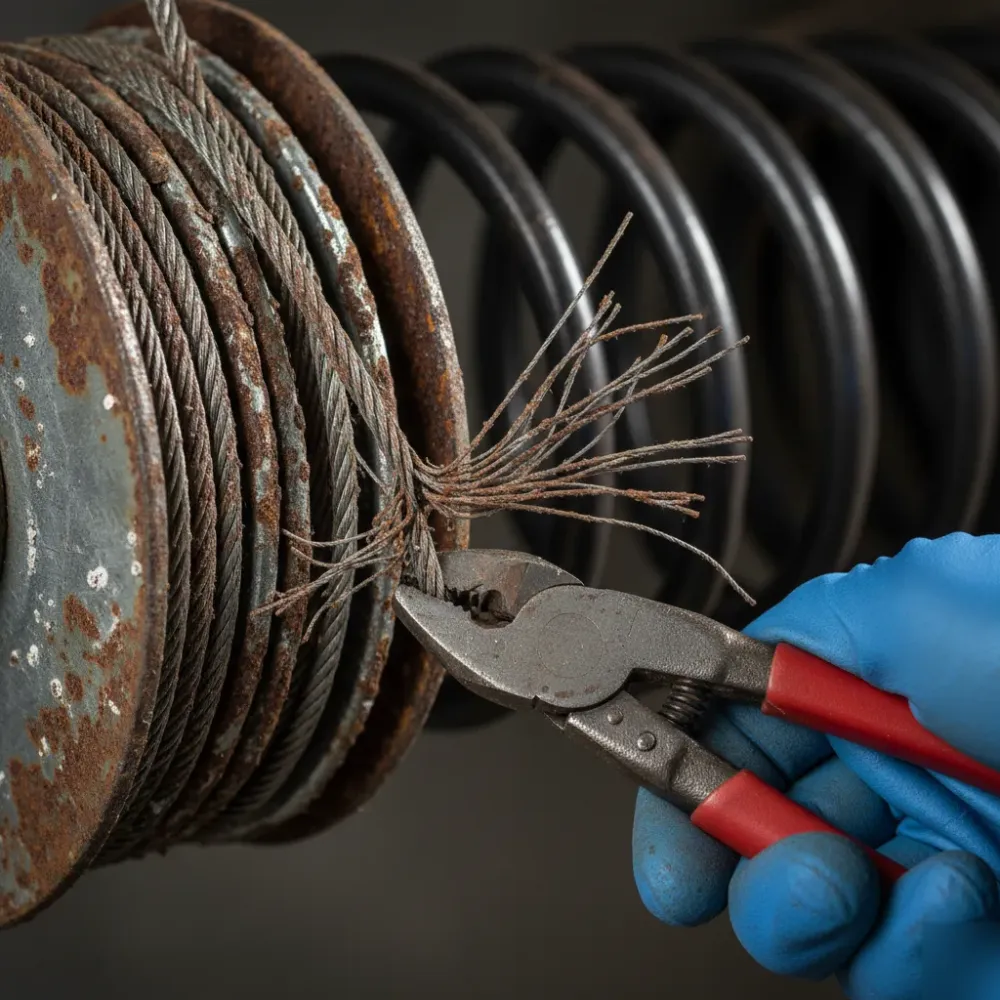
Garage door cables rarely snap without warning. They often show signs first. Most people just don’t know what to look for. The problem then gets worse until the door stops moving completely. Sometimes, the door drops suddenly.
Here’s what to watch for:
- Fraying or visible wear. Check the cables running along the sides of your door. If you see thin wires poking out, or if the cable looks fuzzy, it’s weakening.
- The door hangs unevenly. If one side sits lower when the door is partly open, one cable has likely stretched. It might also have started to come loose from the drum.
- Slack in the cable. When the door is closed, both cables should feel taut. If you notice loose loops, or if a cable has jumped off the drum, do not try to operate the door.
- Grinding or scraping sounds. A cable that’s come off track will often rub against the door panels or the track itself. You’ll probably hear it before you see it.
- The door jerks or stutters going up. For smooth travel, both cables must pull evenly. When one cable struggles, the opener works harder, and the door’s motion becomes rough.
We see these issues frequently near Golden Isles, especially with older homes where the garage door system hasn’t been maintained in years. Salt air truly affects steel cables down here. Corrosion slowly eats away at them, and by the time you spot rust, the damage is already significant.
So, what should you do if you notice any of these signs? Stop using the door right away. Seriously. A cable under tension can cause serious damage if it snaps while the door is moving. We’ve seen bent tracks, cracked door panels, and even dented cars. If you need to, pull the emergency release. Then, call us for garage door cables repair or replacement before the situation becomes unsafe.
And here’s something many people don’t realize. If one cable is failing, the other is usually not far behind. They wear at about the same rate because they lift the same load every cycle. That’s why we almost always replace both cables at the same time during a Hallandale Beach service call. It simply makes sense. Why leave a worn cable in place when you’re already doing the work?
Are you unsure if what you’re seeing is a cable issue or something else? That’s pretty common. Cable problems can often mimic spring issues or track misalignment. The fix for each is quite different, so getting the correct diagnosis is important.
Repair vs. Replace: Choosing the Right Fix for Your Cables
So, your garage door cables are damaged. What happens next? This is a question we get all the time from homeowners in Hallandale Beach. The answer depends on what our technicians find when they arrive. You can also check out our main garage door services in Hallandale Beach. You can also check out our main garage door services in Hallandale Beach.
Not every cable problem means you need a full replacement.
Sometimes, a cable has simply slipped off the drum. If it’s still in good shape, no fraying, no rust, no obvious wear, we can often just re-seat it. We then adjust the tension, and your door will move again. That’s a repair. But here’s the catch. If a cable has been off-track for a while, it might have kinked or stretched. A kinked cable won’t spool correctly. It will likely cause the same problem again within weeks. We always check for that kind of damage before we consider anything “fixed.”
A full replacement is often the correct approach, more often than most people expect. By the time someone calls us, the cable has often passed the point of a simple fix. Here’s what usually means a cable needs to be replaced:
- Visible fraying anywhere along the cable’s length.
- Rust or corrosion, especially near the bottom brackets.
- A cable that’s already snapped or is hanging loose.
- Noticeable stretching, where the cable no longer holds proper tension.
We always replace both cables together, even if only one has failed. They experience wear at the same rate, so the other one is likely to fail soon. Replacing just one cable creates uneven tension on the door. This puts stress on your tracks, your springs, and your opener. It turns a single cable job into multiple problems later on.
Residents in the Golden Isles area and across Hallandale Beach deal with this constantly: salt air. The humidity and salt exposure here wear out standard cables faster than they would inland. We’ve seen cables that look fine from the outside but have corroded from the inside out. You can’t always tell the extent of the damage just by looking.
Are you wondering if your situation needs a repair or a full replacement? Give us a call, and we’ll help you figure it out.
One more thing to know. If your cables failed because of a worn spring or a misaligned track, simply replacing the cables won’t fix the underlying cause. We always look at the whole garage door system. Our team checks the springs, drums, and track alignment during every cable job. We’ve been licensed and doing this work across South Florida for years. We’ve learned that skipping that step just means we’ll be back sooner than either of us wants. You can also explore our main garage door services in Hallandale Beach to see everything we handle.
If someone tells you a frayed cable “still has some life left,” please get a second opinion. A cable that’s starting to unravel can snap without warning. That’s not a maybe. The International Door Association states that cable and spring failures are common causes of garage door injuries. It’s simply not worth the risk.
Checking That the Repair Was Done Right
Some companies finish the job and then leave. We don’t operate that way.
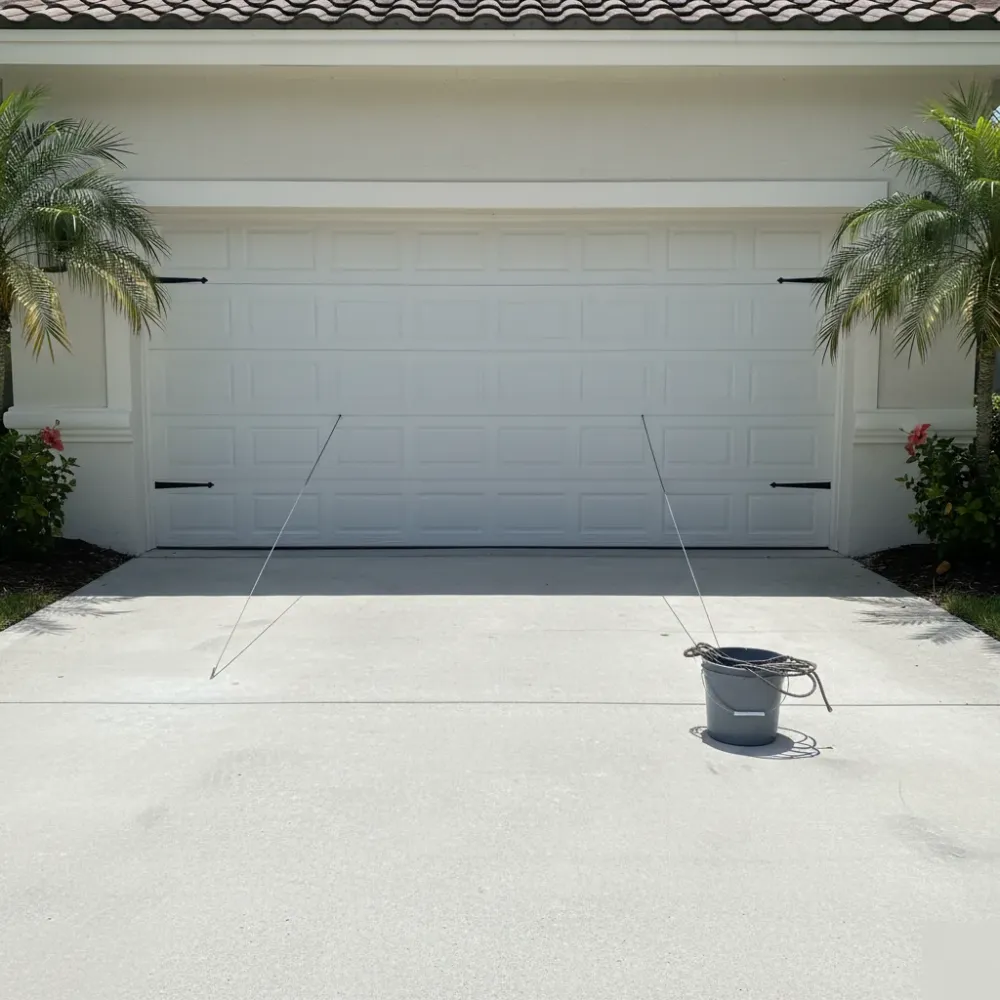
After every garage door cables repair or replacement, we run through a complete check before we pack up. You should expect this level of service from anyone working on your door in Hallandale Beach. The cable is just one part of a larger system. If something else is off, you’ll likely find yourself with the same problem again. We see this often. Someone had cables replaced elsewhere, but nobody checked the drums or the track alignment. Two weeks later, the new cable frays or jumps off the drum.
So, what exactly does a proper post-repair check involve? Here’s what we do every time:
- We cycle the door up and down at least three full times. We closely watch how the cables wind onto the drums.
- We check cable tension on both sides. Uneven tension will cause the door to rack to one side over time.
- We inspect the bottom brackets and cable anchors for any signs of stress or looseness.
- We test the door in the halfway-open position. It should stay still without drifting up or down.
- We run the opener through a full cycle. We then confirm the safety reverse engages properly.
That balance test in step four is really important. If the door creeps up or drops when you let go at the midpoint, the spring tension needs adjusting. New cables can sometimes shift the balance slightly; it’s a normal part of the process. But ignoring it puts extra strain on your opener motor. This also shortens the life of the cables you just paid to have installed.
Have you ever had a technician leave, and then you notice the door sounds different? Maybe there’s a slight scraping noise, or a pop at the top of travel. That’s exactly the kind of thing we catch before we leave. Just last month, near Golden Isles, we replaced cables on a two-car door. During our check, we found a worn roller. The customer had no idea. Catching that saved them from a much bigger repair down the road.
And here’s something most homeowners don’t consider. Your garage door opener has force settings. These might need recalibrating after cable work. The door’s pull weight can change just enough to affect the auto-reverse sensor. The International Door Association points out that improper force settings are a leading safety concern with residential garage doors. We adjust those settings as part of our standard check.
You shouldn’t have to wonder if the job was done correctly. When we finish, we walk you through everything we did. We’ll show you the old cables and let you watch the door cycle so you can see the difference yourself. That’s how we handle things. If something doesn’t look right to you, we want to know before we leave your driveway.
Need help with garage door cables repair / replace?
Call now for a free estimate. On Time Garage Door Repair is ready to help.
Keeping Cables in Good Shape in Coastal Conditions
Living near the ocean is wonderful until you see what salt air does to metal. Hallandale Beach is right on the coast. That means every steel component on your garage door takes a beating all year long. Cables aren’t hidden away in some sealed compartment. They are exposed to humidity, salt-laden wind, and temperature swings. These conditions speed up corrosion faster than most people realize.
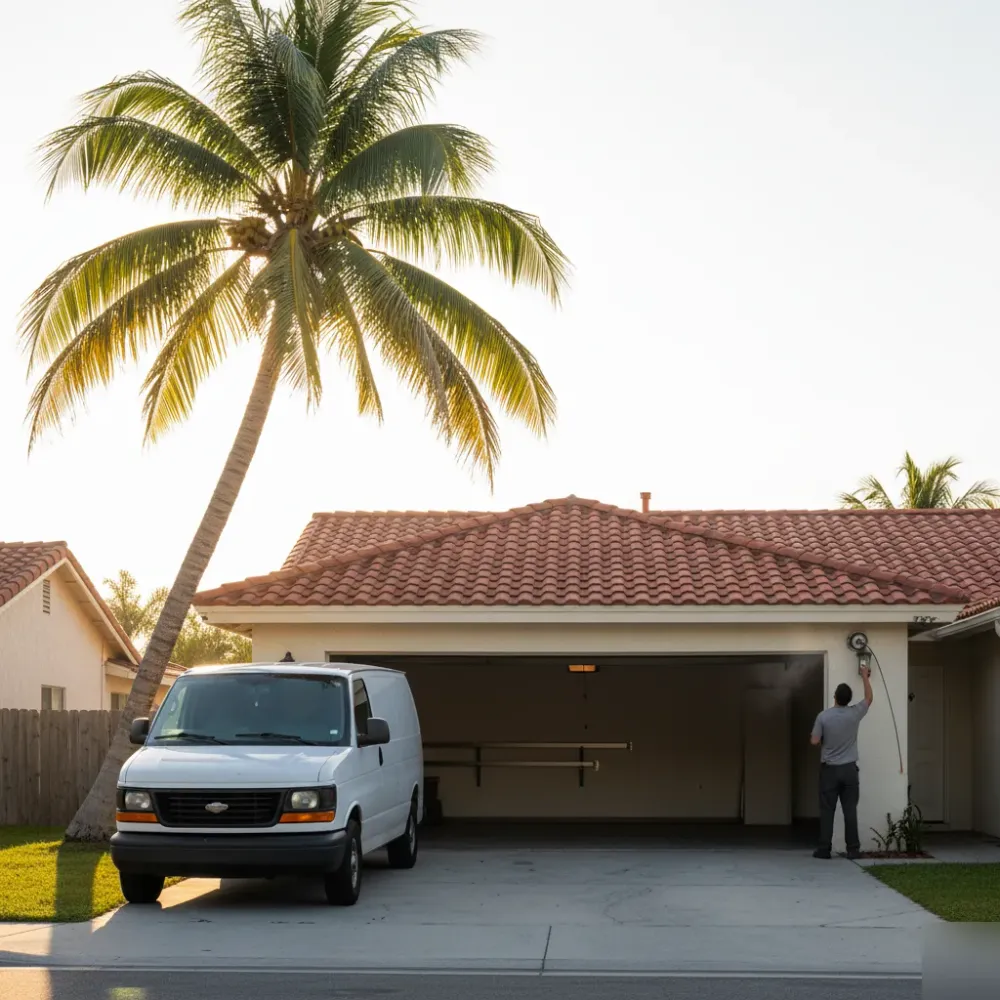
We’ve pulled cables off doors near the Diplomat area that looked ten years old after only three or four seasons. The steel strands get pitted, the galvanized coating breaks down, and soon you have fraying. This weakens the entire system. It doesn’t happen, but it happens much quicker here than it would twenty miles inland.
So, what can you actually do about it? More than you might expect.
Routine Checks That Make a Real Difference
You don’t need tools for a basic visual check. Every couple of months, look at your cables while the door is closed. Here’s what you should look for:
- Rust spots or discoloration along the cable length.
- Frayed strands poking out from the main cable body.
- Slack or uneven tension between the two sides.
- A white powdery residue near the bottom brackets, which indicates corrosion buildup.
If you catch any of those signs early, a repair or replacement is usually straightforward. Wait too long, and the cable snaps. The door then drops unevenly. Now you’re dealing with off-track damage on top of the cable issue. We see this chain reaction play out in Hallandale Beach more than anywhere else we service.
What Helps Between Service Visits
A light wipe-down of your cables with a dry rag can remove salt residue before it eats into the steel. That simple act alone extends cable life. Some homeowners apply a thin coat of silicone-based lubricant every few months. This creates a barrier against moisture. Do not use WD-40 or heavy grease. Those products attract dirt and sand, which can grind into the cable strands.
And ventilate your garage whenever you can. A closed-up garage in South Florida humidity is basically a steam room for metal parts. Even cracking the door for airflow on dry days helps more than you might imagine.
Our licensed technicians recommend a complete garage door service and maintenance check at least once a year. This is especially important if you live within a mile of the water. We inspect cables, drums, springs, and tracks all together. Coastal wear rarely affects just one part. During that visit, we can catch early-stage corrosion and adjust tension. We’ll also let you know if a cable replacement makes sense before something breaks on a Sunday morning when you’re trying to leave your driveway.
Cables are one of those parts people tend to forget about until they fail. But a little attention goes a long way here on the coast.
Frequently Asked Questions
Common questions about garage door cables repair / replace services in 301 NE 3rd St. unit 206 33009 Hallandale Beach
How quickly can you get to my home in Hallandale Beach for a cable repair?
We offer same-day service for most garage door cable calls in Hallandale Beach. Cable problems can leave your car trapped or your garage unsecured, so we move fast. When you call, we’ll give you a clear arrival window. Most jobs in Hallandale Beach are completed the same day we arrive. You won’t be left waiting with a broken door or a garage you can’t close.
Can salt air near the water really damage my garage door cables faster?
Yes, absolutely — salt air is one of the biggest cable killers in Hallandale Beach. Homes near Golden Isles and the Intracoastal deal with constant humidity and salt exposure. This corrodes steel cables from the inside out. By the time you see rust on the outside, the cable is already weakened. We recommend inspecting cables at least once a year if your home is close to the water.
Is it safe to use my garage door if I think a cable is damaged?
No — stop using the door right away if you suspect a cable problem. A cable under tension can snap suddenly and cause real damage. We’ve seen bent tracks, cracked panels, and dented cars from failed cables. Pull the emergency release cord if you need to open the door manually. Then call us before you operate it again. It’s simply not worth the risk.
Why do you replace both cables even when only one is broken?
Both cables wear at the same rate because they share the same load on every cycle. If one has failed, the other is usually close behind. Replacing just one cable creates uneven tension on your door. That puts extra stress on your springs, tracks, and opener. Replacing both at once saves you from a second service call within weeks and keeps your door balanced and safe.
What does your technician check after replacing garage door cables?
After replacing your cables, we test the door through several full open-and-close cycles. We check that both cables spool evenly on the drums and that the door travels smoothly without jerking. We also inspect your springs, track alignment, and bottom brackets. If something else caused the cable to fail, we find it before we leave. You should see and feel a clear difference right away.
Can a cable problem be mistaken for a spring or track issue?
Yes, and it happens more often than you’d think. A broken cable, a worn spring, and a misaligned track can all make your door look crooked or move unevenly. The fix for each one is very different. That’s why a proper diagnosis matters before any work begins. When we arrive at your Hallandale Beach home, we check the full system so you get the right repair the first time.
Ready to Get Started?
Call now for a free estimate Call (954) 329-1361 today.

Recent Comments