
Fast, reliable garage door and electric gate repair and installation in South Florida — call today, fixed today.
What's Covered on This Page
- Broken Springs: The Number One Garage Door Repair
- Worn Rollers and Tracks: Why Doors Get Noisy or Stick
- Off-Track Doors: Accidental Damage and Wind Pressure
- Related Links
- How do I know if my garage door spring is about to break?
- Can I fix a broken garage door spring myself?
- Why do garage doors in Hallandale Beach wear out faster than other places?
- What's the difference between a noisy roller and a real track problem?
- Can a garage door go off track without a car hitting it?
- How often should I have my garage door checked in a coastal area?
Need The Most Common Garage Door Repairs (And Why They Happen)?
Call Today For A Free Estimate
Broken Springs: The Number One Garage Door Repair
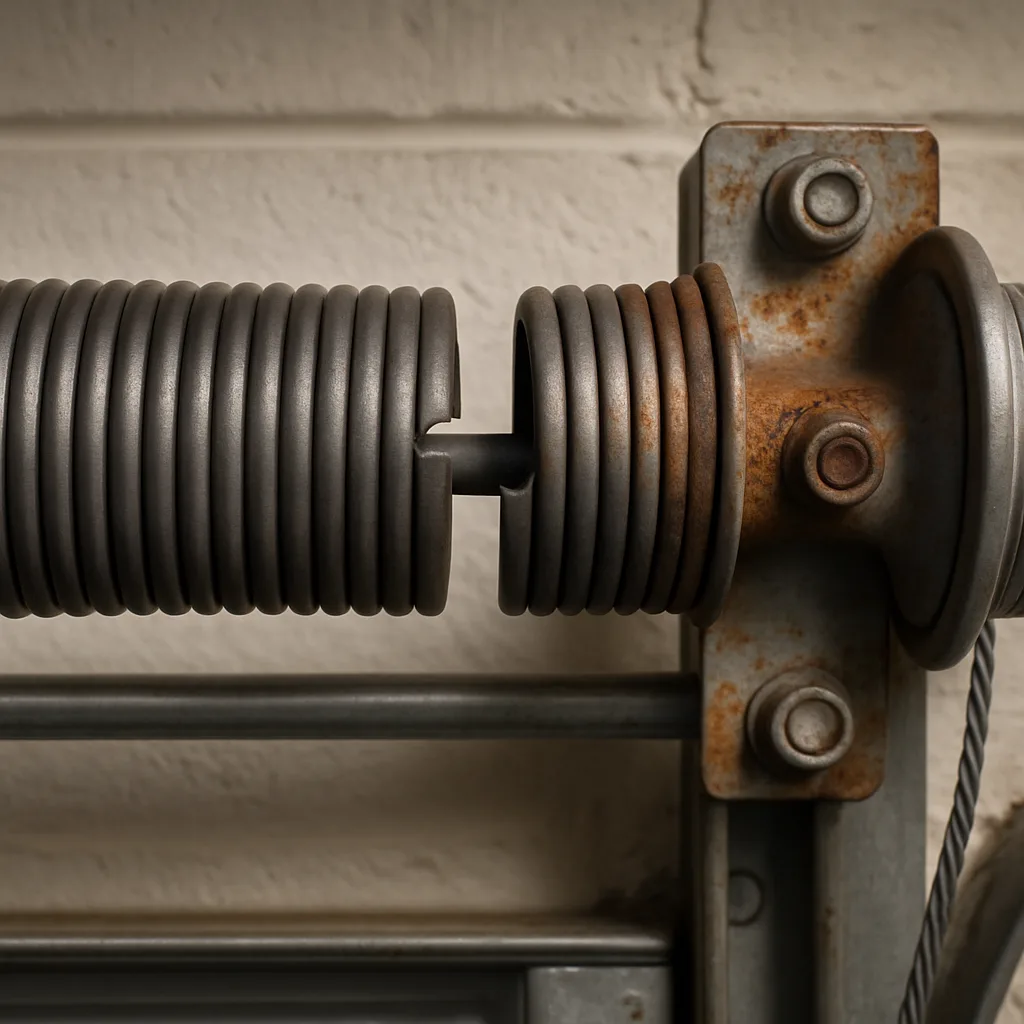
Ever tried to open your garage door and it just wouldn't lift? There's a good chance a spring snapped. This is the top repair call we get in Hallandale Beach, by far. Springs do the heavy lifting, literally. They hold the tension that lets a 150-pound door rise with one push of a button. Every time your door opens and closes, that spring winds and unwinds. Do that thousands of times and metal fatigue sets in. Most springs are rated for around 10,000 cycles, according to the International Door Association. That sounds like a lot. But a household using their garage door four times a day burns through that in about seven years.
So why does it feel like springs break out of nowhere? They usually don't. The wear happens slowly. Then the spring just gives out one day. Often, it's the coldest morning of the year. Or right after a long stretch of humid weather. And here in Hallandale Beach, salt air off the coast speeds up corrosion on the coils. We've pulled springs that looked fine on the surface but were rusted through on the inside. They were just waiting to snap.
We work with two main types. Torsion springs mount above the door. Extension springs run along the tracks. Torsion springs tend to last longer and handle heavier doors. But both fail the same basic way. Repeated stress and corrosion.
A few signs tell you a spring is close to failing:
- A loud bang from the garage. That's often the sound of a spring snapping.
- The door feels heavier than usual when you lift it manually.
- Visible gaps or stretching in the coil.
- The door opens a few inches then stops or reverses.
- Rust buildup on the spring itself.
We had a customer near Hallandale Beach a few months back. They kept forcing the opener even after the door started sounding rough. The spring finally gave out completely. The cable came with it. What could've been a straightforward spring swap turned into a bigger repair. That's the pattern we see over and over. Small warning signs ignored until the whole system fails at once.
Trying to replace a spring yourself is risky. These parts hold serious tension. A mistake can cause real injury. This isn't a job for guesswork.
Worn Rollers and Tracks: Why Doors Get Noisy or Stick
That grinding noise every time your door opens? It's usually the rollers. Nylon and steel rollers ride inside metal tracks. Every open-close cycle wears them down a little more. Over time they get flat spots, chip, or just plain seize up. We see this constantly on service calls near the beach, where salt air speeds up corrosion on the tracks and roller pins. A door that's fine in January can start sticking by summer.
So why does this matter beyond the noise? A worn roller doesn't just sound bad. It can jump the track entirely. Once that happens, the door won't move at all, or it moves crooked and binds halfway up. We've pulled up to homes in Hallandale Beach where the owner thought the opener died. But the real problem was a roller that snapped off its stem and wedged the door sideways.
- Grinding, squeaking, or rattling every time the door moves.
- Door hesitates or jerks at certain spots along the track.
- Visible gaps between the roller and the track wall.
- Rust or pitting on the tracks (common in salt-air areas near the coast).
- Door looks slightly crooked when it's halfway open.
Tracks take a beating too. Bent tracks happen from car bumps, storm debris, or just years of stress. A bent track will fight the rollers no matter how new they are. This is one reason DIY roller swaps often don't fix the noise. The track alignment needs checking at the same time.
Here's a quick scenario we run into a lot. A customer calls saying their door is loud but still opens fine. They put off calling anyone for months. Then one morning the door won't budge. It's stuck halfway. Rollers jammed hard against a rusted track. What could've been a simple roller swap turns into a bigger repair. The tracks got damaged from the door forcing against them.
Most common garage door repair people don't realize this until it's too late. The noise is the warning, not the emergency. Catching it early with garage door roller replacement keeps small wear from turning into a stuck, off-track door that needs same-day help.
If your door's been squeaking or sticking, don't wait for it to jam. Our crew handles roller replacement and track alignment for homes all over Hallandale Beach. We can usually tell what's wrong just by listening to it run.
Off-Track Doors: Accidental Damage and Wind Pressure
An off-track door is another repair we see often. It rarely happens for just one reason. The door slips out of its metal track and hangs crooked, or it won't move at all. Sometimes it's a slow slide over months. Other times it happens in one bad moment. Like a car bumping the bottom panel or a gust of wind catching the door mid-cycle.
Hallandale Beach sits close to the water, and that matters more than people think. Wind loads on a garage door aren't just a hurricane-season problem. Even everyday coastal gusts put steady pressure on the panels and rollers. Over time, that pressure works the rollers loose from the track. Especially on doors that weren't rated for wind pressure in the first place.
We get calls after big storms, sure. But we also get plenty after nothing more than a windy afternoon near the Intracoastal.
- Bent or damaged tracks from a vehicle backing into the door.
- Loose or missing track brackets that let the rail shift out of position.
- Worn rollers that no longer sit flush in the channel.
- Wind pressure pushing against a door not rated for local wind loads.
- Broken cables that let one side of the door drop unevenly.
Each of these causes puts stress somewhere different on the door. A bent track needs straightening or replacing. Worn rollers need a full swap, not a patch job. If wind pressure is the culprit, the fix might not be the track at all. It's the door itself needing a wind-load rated replacement built for this area.
Here's a scenario we run into a lot. A homeowner near the beach calls because their door is stuck halfway open after a storm rolled through. They assume it's the opener. But when we get there, the track is bent about four inches from the bottom. Two rollers have popped out completely. That's not an opener problem. That's a structural one. Running the opener again could snap a cable or bend the panel worse.
Trying to force an off-track door back into place yourself is risky. The door can fall. The cables can snap. The springs are still under tension, even when the door looks stuck. We always tell customers: step away from it once it's off track.
Most people don't realize this until it's too late. An off-track door isn't just an inconvenience. It's a door that could come down without warning.
If your door has slipped its track or won't glide smoothly anymore, it's worth getting it looked at before you use it again.
View Garage Door Repair Service
Thinking about The Most Common Garage Door Repairs (And Why They Happen)? Let's talk.
Call Today For A Free Estimate. On Time Garage Door Repair is ready to help.
Frequently Asked Questions
Common questions about The Most Common Garage Door Repairs (And Why They Happen)
How do I know if my garage door spring is about to break?
Watch for a door that feels heavier than usual, gaps in the coil, or a loud bang from the garage. These are warning signs a spring is close to failing. In Hallandale Beach, salt air can rust springs from the inside out, so they may look fine but still be near breaking. If you notice any of these signs, don't force the opener. Get it checked before the cable snaps too.
Can I fix a broken garage door spring myself?
No, replacing a garage door spring yourself is risky. These springs hold serious tension, and a mistake can cause real injury. Torsion and extension springs both need special tools and know-how to handle safely. This isn't a job for guesswork. If your spring has snapped or looks rusted through, it's safer to have someone trained handle the repair.
Why do garage doors in Hallandale Beach wear out faster than other places?
Salt air near the coast speeds up rust and corrosion on springs, rollers, and tracks. Homes closer to the water often see parts fail years sooner than inland areas. Everyday wind gusts near the Intracoastal also add steady pressure that loosens rollers over time. This combination means garage doors here need more frequent checks, even outside of storm season.
What's the difference between a noisy roller and a real track problem?
A noisy roller usually means wear, but it can turn into a track problem if ignored. Grinding or squeaking is the first sign. If the door starts jerking or hesitating at certain spots, the roller may be chipping or the track may be bent. Both issues often show up together in coastal homes. Catching the noise early keeps it from becoming a stuck, off-track door.
Can a garage door go off track without a car hitting it?
Yes, wind pressure alone can push a garage door off its track. This happens more in Hallandale Beach because of steady coastal gusts, not just hurricane-season storms. Loose track brackets or worn rollers make it easier for the door to slip. If your door hangs crooked or won't move, don't force it. Forcing an off-track door often causes more damage to the panels and track.
How often should I have my garage door checked in a coastal area?
Homes in Hallandale Beach should have springs, rollers, and tracks checked at least once a year. Salt air speeds up rust, so parts that look fine on the surface may be weaker underneath. Regular checks catch small issues like a stretched coil or a pitted track before they turn into a stuck or broken door. If you're already hearing noise or feeling resistance, it's worth scheduling a spring repair visit sooner.
Ready to Get Started?
Call 9543291361 Today For A Free Estimate.

Recent Comments