
Garage Door Opener Repair in Hallandale Beach
650+ five-star reviews | 1-hour response |Free Estimate | Call now.

Best Warranties Labor & Parts - insurance
FAST RESPONSE TIME
Call us for any emergency garage door Or Electric Gate Repair service, and get expert when you need it the most.
100% SATISFACTION GUARANTEE
Prices quoted for you to approve before we start.
We repair doors & gates right at the first time.
WE VALUE YOUR TIME
When you call On Time Garage Door Repair In South Florida we will schedule your appointment when it is convenient for you.




Request a Call Back
What's Covered on This Page
- Signs Your Opener Is the Problem
- When the Opener Isn't the Real Issue
- Repair or Replace: Making the Right Call
- Coastal Weather and Power Outages Cause Unique Failures in Hallandale Beach
- What Happens During a Professional Opener Repair
- Should I repair my garage door opener or replace it?
- What should I expect when a technician comes to look at my opener?
- Why do garage door openers fail more often in Hallandale Beach?
- Can I still get into my garage if the opener stops working?
- Why does my opener's light blink but the door won't open?
- How soon can someone come look at a garage door opener that won't work?
Signs Your Opener Is the Problem
Here's what we hear on almost every call: "My garage door won't open." That's a symptom, not a diagnosis. The real cause could be any number of things - a broken spring, a snapped cable, a door that's jumped its tracks. People blame the opener because it's the part making noise, but often it's not the culprit. Pay attention to what's actually happening before you spend money fixing the wrong thing.
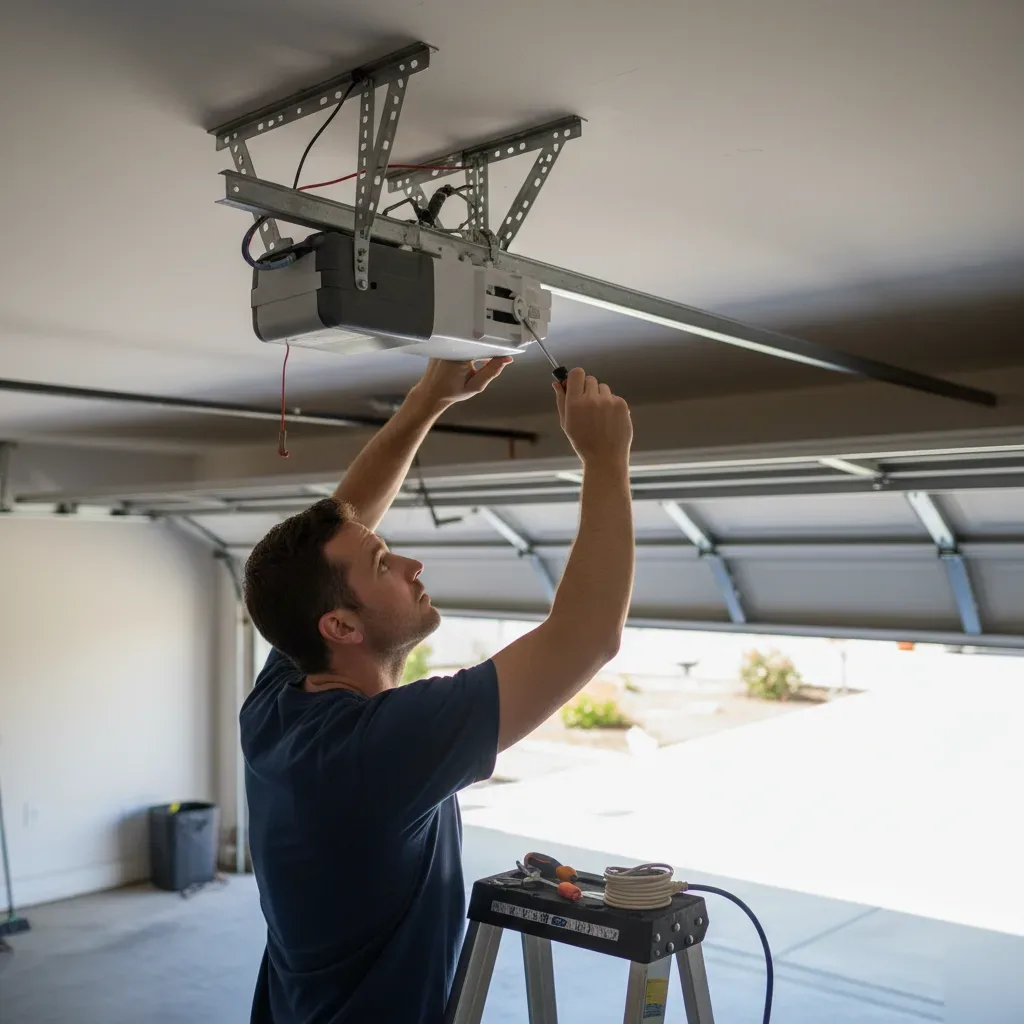
Start with the motor. Press your wall button and listen. If it hums or buzzes but the door doesn't move, the opener is trying to do its job - something inside has failed, maybe the gear set or the drive mechanism. That's different from pressing the button and getting nothing at all, which usually points to a wiring or circuit board issue instead.
Now try your remote. If the wall switch opens the door fine but the remote won't, that's typically a remote or receiver problem, not a failed opener. We see this constantly in Hallandale Beach homes built in the early 2000s, where the original Chamberlain or LiftMaster units still run great, but the receiver boards have worn out after years of salt air exposure.
Another dead giveaway: the door starts to open, reverses immediately, and the opener light blinks a set number of times. That blink pattern is a diagnostic code - it tells you exactly what failed, though most homeowners never realize it's even there.
Here's the important part, though. If the door feels heavy when you lift it by hand, that's almost never the opener - that's a spring problem. A working opener shouldn't be doing the heavy lifting; the springs carry the door's weight, and the opener just guides it along. If you disconnect the opener and the door won't stay up on its own, call about a broken garage door spring replacement first. Fixing the opener won't solve a spring issue - it'll just burn out the new motor faster.
One more thing people miss: the opener runs, the door goes up, but it won't stay closed - it reverses every time. That's usually a safety sensor alignment problem near the floor of the tracks, not a motor failure. A two-minute adjustment often fixes it.
Getting the diagnosis right matters. It keeps you from replacing parts you don't need, saves you time, and gets your garage working again the same day instead of dragging through multiple service calls.
When the Opener Isn't the Real Issue
Here's something we tell people all the time: your opener might be perfectly fine.
Nine times out of ten, when someone in Hallandale Beach calls saying their opener quit, the real problem is somewhere else in the door system. The opener just happens to be the part making noise, so it gets blamed first - it's the messenger, not the cause. A broken torsion spring will stop a door cold. The motor strains, hums, maybe clicks a few times, then shuts off. That sounds like an opener failure. It isn't. The spring snapped, and the door is now too heavy for the motor to lift on its own.
Cables tell a similar story. When one frays or slips off the drum, the door hangs crooked or won't travel evenly. The opener senses the resistance and stops. You press the button again. Nothing. So you search for opener repair, but what you actually need is a garage door cable repair and replacement.
Tracks cause the same confusion. Salt air along the coast accelerates corrosion on steel tracks in homes near Hallandale Beach's A1A corridor, especially in older construction east of Dixie Highway. A corroded or bent track creates friction the opener can't overcome. The motor runs, but the door barely moves. That's a track alignment issue, not an opener problem.
Worn rollers do it too. They seize up, the door drags, and the opener overheats trying to compensate. We've pulled into driveways where the homeowner was ready to buy a whole new opener when all they actually needed was a roller replacement.
So how do you tell the difference? Pull the emergency release cord and lift the door by hand. If it's heavy, unbalanced, or sticks partway up, the problem is mechanical - springs, cables, tracks, or rollers. If the door glides smoothly by hand but the opener still won't run it, then yes, the opener itself needs attention.
We'd rather fix the right thing the first time than sell you a part you don't need. That's not a slogan. It's just how repeat customers happen.
Repair or Replace: Making the Right Call
This is the question we hear more than any other: your opener is acting up, and you want to know if it's worth fixing. Fair enough. Most of the time repair makes sense, but not always, and we'll tell you when it doesn't.

A good rule of thumb: if the opener is less than ten years old and the problem is isolated to one part, repair is almost always the right move. A stripped gear, a bad circuit board, a worn capacitor - these are common failures with straightforward fixes. The motor itself is still solid, the rail and drive system still work, and you're paying to swap one component rather than rebuild the whole machine.
Replacement starts making more sense when several things go wrong at once. If the motor hums but won't turn, the chain sags, and the safety sensors replacement flicker all at the same time, you're stacking repair costs on a unit that's telling you it's done. Openers older than fifteen years often fall into this category. Parts get harder to source, the drive technology is outdated, and you lose the safety features that come standard on newer models.
Here's something most people don't think about. Hallandale Beach sits right in that coastal humidity zone east of US-1, and salt air corrodes internal components faster than you'd expect. We open units in neighborhoods near the Intracoastal and find rust on contacts that should easily last a decade. That accelerated wear changes the math on whether a repair will hold.
So how do you decide? Ask yourself three things.
- How old is the opener? Under ten years leans toward repair. Over fifteen leans toward replacement.
- Is this the first problem or the third one this year? Repeat failures signal a unit near the end of its life.
- Does the opener have photoelectric safety sensors and auto-reverse? If not, upgrading gets you current safety standards along with a new motor.
Nine times out of ten, we can tell you which direction to go within the first few minutes of looking at the unit. If a repair is all you need, that's what we'll recommend.
Need help with Garage Door Opener Repair?
Call Today For A Free Estimate. On Time Garage Door Repair is ready to help.
Coastal Weather and Power Outages Cause Unique Failures in Hallandale Beach
Salt air doesn't care about your garage door opener brand. Hallandale Beach sits right on the coast, and that ocean breeze carries moisture and salt particles straight into your garage. Over time, that salt corrodes circuit board contacts, rusts chain drive links, and eats away at the metal housing around your motor. We pull openers off ceilings in neighborhoods east of US-1 near the Intracoastal that look ten years older than they actually are. The corrosion is that aggressive.
Humidity is the other constant problem. South Florida's average relative humidity hovers above 70 percent for most of the year, and that moisture settles on internal wiring and sensor connections. You might notice your opener works fine in the morning but acts up every afternoon when humidity peaks. That's condensation shorting out a connection inside the unit, and it happens more often than people realize.
Then there's storm season. From June through November, Hallandale Beach deals with thunderstorms that roll through fast and hit hard. Power surges during those storms are one of the top reasons we get calls. A surge can fry the logic board in your opener instantly, with no warning at all. You come home after a storm, hit the remote, and nothing happens. The lights in your house work fine, but the opener is dead.
Power outages create a different issue entirely. When electricity cuts out, most openers have a manual release so you can open the door by hand. But here's what we see constantly: homeowners pull that red emergency cord during an outage, power comes back, and the door won't reconnect to the trolley. The opener runs, but the door doesn't move. That's not a broken opener. It just needs to be re-engaged properly, and it's a two-minute fix once you know the trick.
Surge protectors help. So does keeping your garage ventilated to reduce moisture buildup. But if you're in a high-rise condo along Hallandale Beach Boulevard or a single-family home in Golden Isles where salt exposure is constant, expect to need opener service more often than someone living twenty miles inland. The environment here is just harder on these systems.
Watch Our Video
See How We Handle Garage Door Opener Repair
On Time Garage Door Repair
What Happens During a Professional Opener Repair
You called, we showed up. Now what? Here's how a typical garage door opener repair goes when we're at your home in Hallandale Beach.
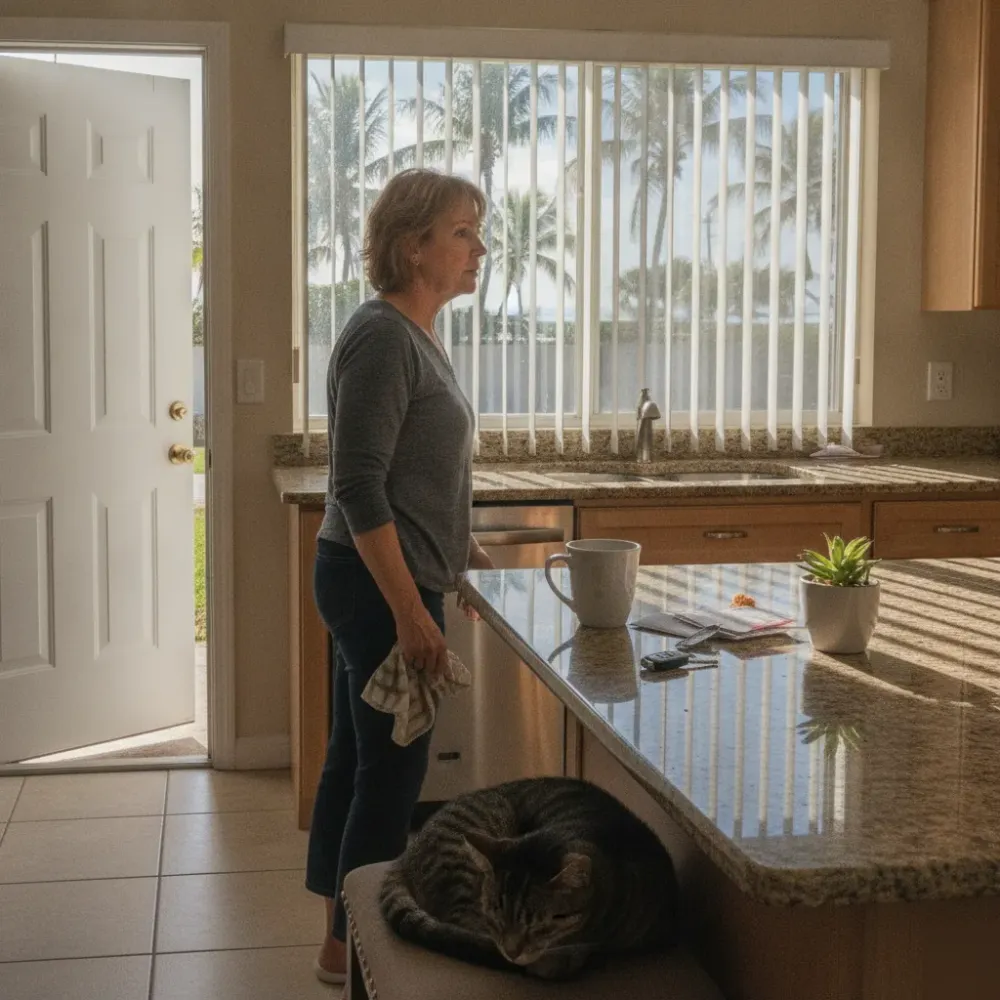
First, we listen. You tell us what the opener's been doing, what sounds it makes, and when it started acting up. That conversation matters more than people think - it usually points us right at the problem before we even touch anything. Then we run the opener through a full cycle while we watch, checking the drive mechanism, the force settings, the safety sensors at the bottom of the tracks, and the wiring connections inside the motor housing. Most of the time we can spot the failure within the first few minutes.
After diagnosis, we explain exactly what's wrong in plain language. No parts-catalog talk. We tell you what failed, why it failed, and what it takes to fix it, and you get upfront pricing before any work starts.
The actual repair depends on the issue. A stripped gear set in a Chamberlain unit means pulling the motor assembly, swapping the gears, and re-lubricating. A bad circuit board on a LiftMaster means replacing the logic board and reprogramming your remotes. Sensor alignment problems are quicker - we adjust the brackets, clean the lenses, and verify the infrared beam locks in. But every repair ends the same way.
We run multiple open-close cycles after the fix. We test the auto-reverse by placing an object under the door, and we check that your wall button, remotes, and any smartphone controls all respond correctly. We also make sure the opener isn't straining against a door that's binding on worn rollers or pulling against a weak spring, because fixing the opener without checking the rest of the system is how problems come back two weeks later.
So many of the repeat calls we see across South Florida happen because someone swapped a part without looking at the bigger picture. A good opener repair isn't just about the motor. It's about making sure everything connected to that motor is doing its job too.
Most repairs take under an hour. Some board replacements or gear rebuilds run a bit longer. Either way, you'll know the timeline before we start.
Frequently Asked Questions
Common questions about Garage Door Opener Repair
Should I repair my garage door opener or replace it?
Repair is usually the right call if your opener is under ten years old and only one part failed. Common fixes like a stripped gear or bad circuit board are quick, affordable jobs that leave a solid motor working again. Replacement makes more sense when several problems hit at once, like a humming motor plus flickering sensors plus a sagging chain. Openers past fifteen years often fall into this category since parts get harder to find and newer safety features aren't included.
What should I expect when a technician comes to look at my opener?
Expect a hands-on check before any parts get touched. We start by testing the wall button and remote separately, then pull the emergency release to lift the door by hand and rule out spring or track problems. This quick process tells us fast whether the opener itself is the issue or something else in the door system is causing the trouble. You'll know the real cause before we start any repair work.
Why do garage door openers fail more often in Hallandale Beach?
Salt air along the coast speeds up corrosion on receiver boards, sensors, and metal tracks. Homes near the A1A corridor and older construction east of Dixie Highway see this most, especially in units installed in the early 2000s. The motor itself often still runs fine, but exposed electronics and hardware wear out faster than they would further inland. That's why a working opener can still act unreliable years before it should.
Can I still get into my garage if the opener stops working?
Yes, most garage doors have a manual release cord hanging from the trolley. Pull it and you can lift the door by hand, as long as springs and cables are still in good shape. If the door feels heavy or won't stay up on its own, stop and call for a spring check instead of forcing it. Never rely on manual lifting as a long-term fix if the door isn't balanced correctly.
Why does my opener's light blink but the door won't open?
That blinking pattern is a built-in diagnostic code telling you what failed. Most homeowners never notice it, but it can point to a sensor misalignment, a wiring fault, or a safety reversal issue. Counting the blinks before you call helps a technician know what to check first. It's a small detail that can shortcut the whole repair process and get your door moving again faster.
How soon can someone come look at a garage door opener that won't work?
We schedule Hallandale Beach calls based on the details you give us over the phone, so having your symptoms ready speeds things up. Telling us whether the motor hums, stays silent, or runs without moving the door helps us bring the right parts on the first visit. A door stuck open or blocking your driveway gets priority scheduling since it affects your home's security and daily routine.
Ready to Get Started?
Call 9548334351 Today For A Free Estimate.
